
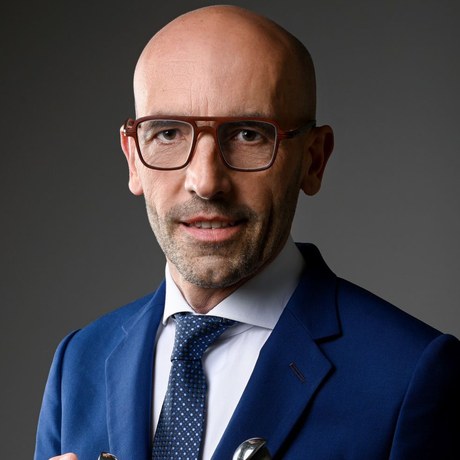
Dr Philippe Collin
Orthopaedic surgeon, shoulder specialist, Paris 16 & Neuilly-sur-Seine
Former President of the SECEC · ranked best shoulder surgeon in Paris (Le Point) · 20,000+ shoulders operated · 130+ scientific publications
A shoulder replacement replaces a worn or destroyed shoulder joint and restores a mobile, pain-free shoulder. This is one of the areas of excellence of Dr Philippe Collin, shoulder specialist in Paris, who performs these operations with the help of augmented reality assisted surgery. Anatomic or reverse shoulder replacement: in which cases, how, and with what recovery? Here are the answers.
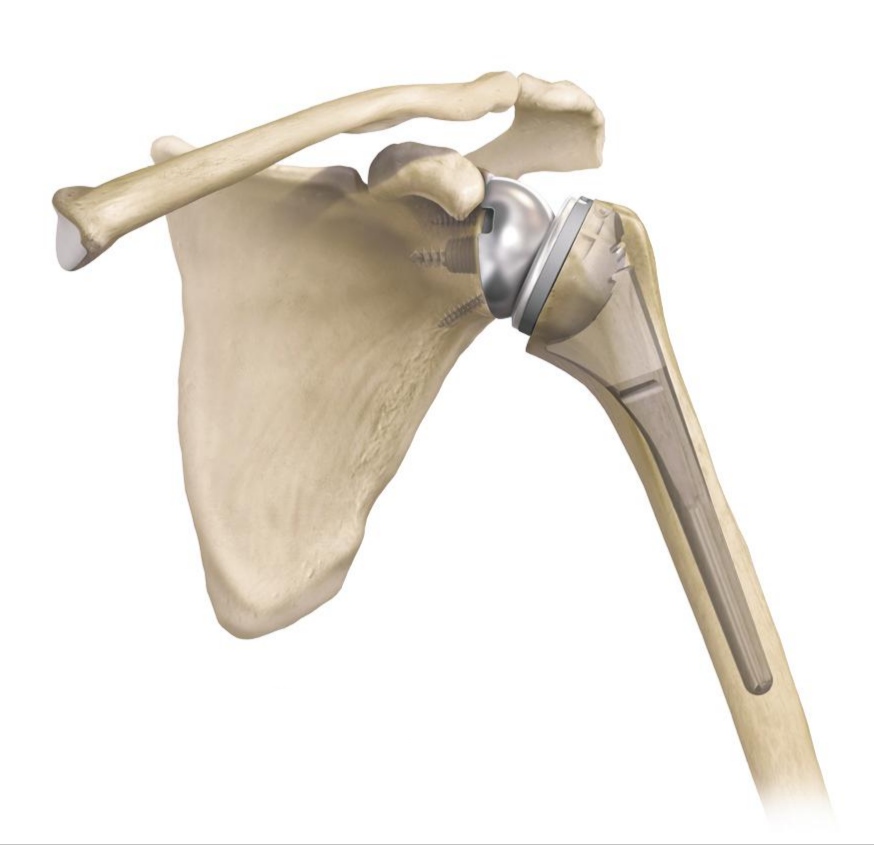
A shoulder replacement replaces the damaged joint surfaces (the head of the humerus and sometimes the glenoid of the shoulder blade) with implants. The aim is to eliminate pain and to restore mobility. These operations have made huge progress and today offer excellent, long-lasting functional results.
There are two main families of implants, chosen according to the state of the joint and above all of the rotator cuff tendons:
A shoulder replacement is considered mainly in cases of painful and disabling shoulder osteoarthritis (omarthrosis), of massive and irreparable rotator cuff tear, of certain complex fractures of the upper end of the humerus, or after the failure of well-conducted medical treatment. The decision is based on a precise assessment (X-rays, CT scan, sometimes MRI) and on the discomfort experienced in daily life.
Dr Collin is particularly experienced in complex cases of shoulder replacement revision, which sometimes require bone grafting.
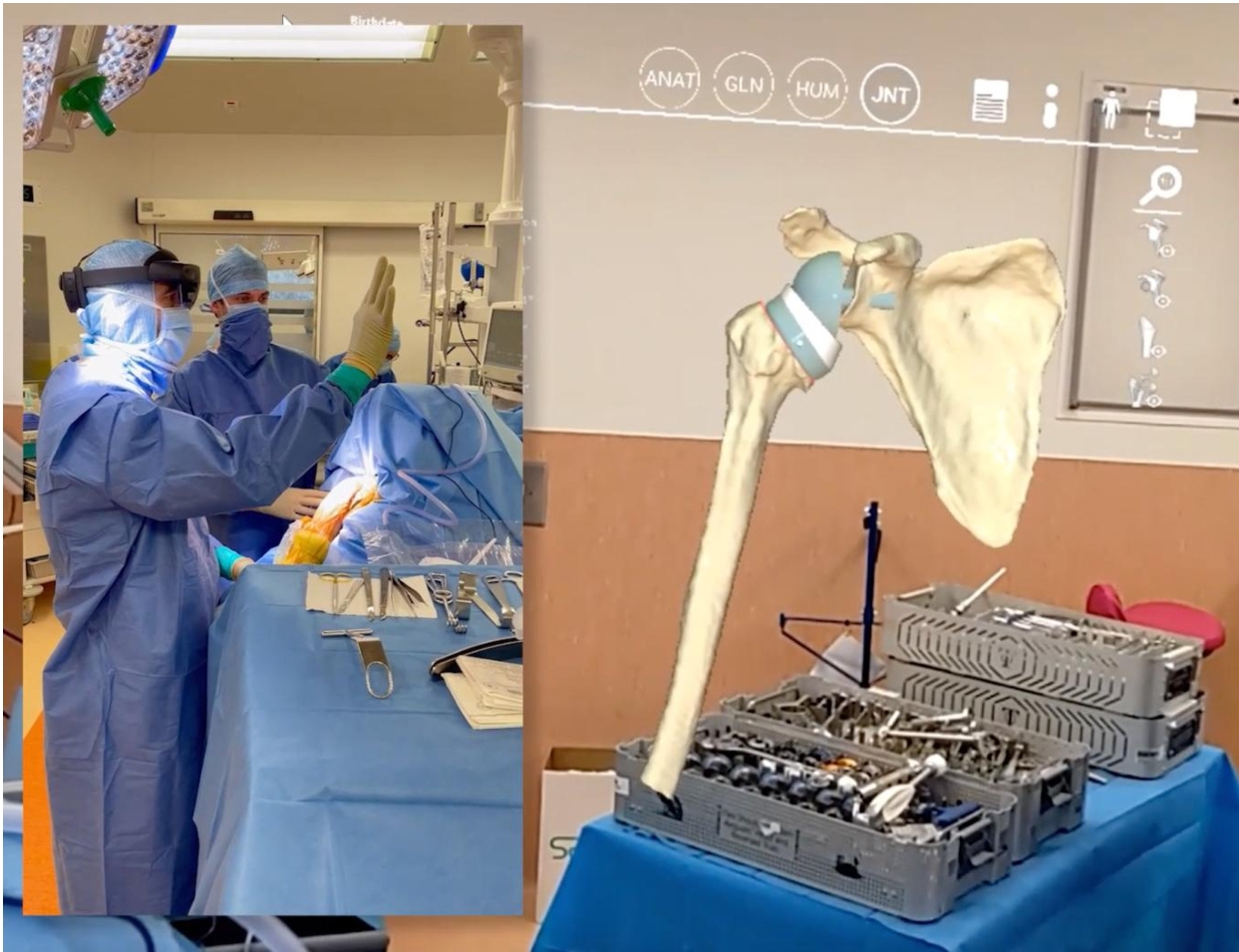
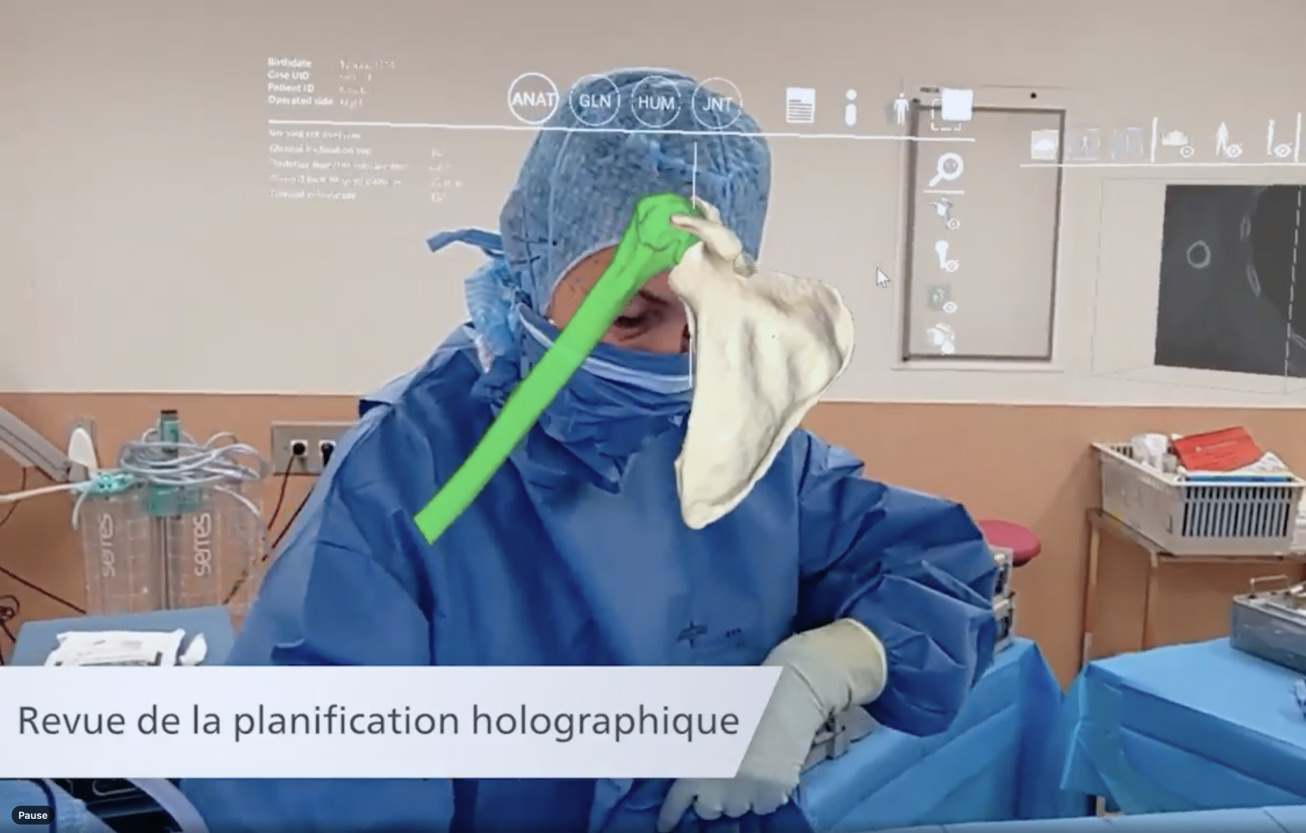
The operation is performed under local or general anaesthesia, with a short hospital stay or, most often, as a day case with no overnight stay. Dr Collin relies on 3D planning and augmented reality assisted surgery, which make it possible to position the implants with great precision and to optimise the result. The implant is tailored to the anatomy of each patient.
After an anatomic replacement, you will wear a sling for a few weeks, then rehabilitation starts quickly. Daily activities are generally resumed at around two months, with full recovery spread over several months. The vast majority of patients regain a pain-free, functional shoulder. To find out more, see our dedicated page on shoulder replacement.
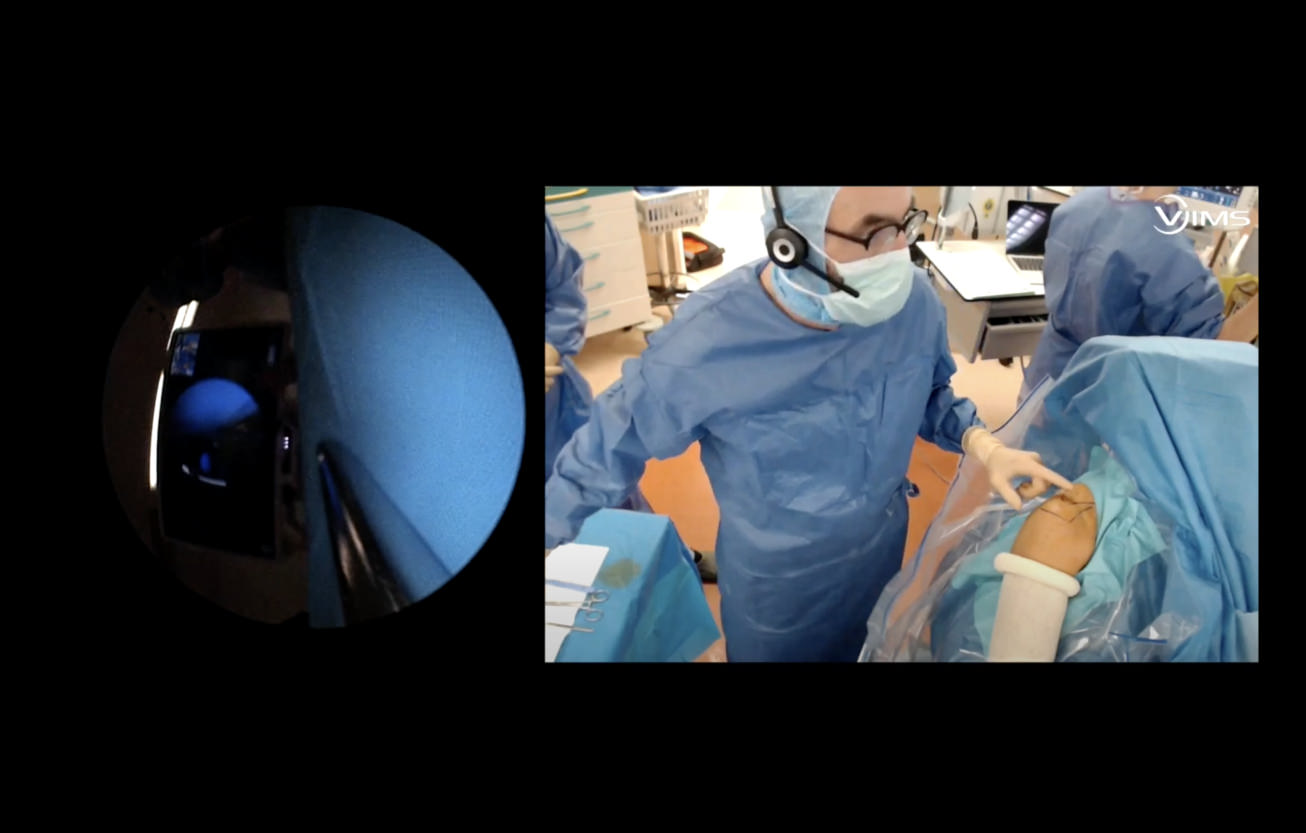
After a reverse replacement, Dr Collin has developed a technique in which no muscle is detached, so no immobilisation is required. You can therefore resume all your activities in line with your recovery.
How long does a shoulder replacement last?
Shoulder implants have made remarkable progress in recent years: the vast majority are still functioning at 20 years and beyond. Their lifespan depends on the type of implant, on activity level and on bone quality.
Anatomic or reverse: who decides?
The choice depends on the state of the rotator cuff and of the joint. It is made together with you and Dr Collin after the imaging assessment and, above all, after the 3D reconstruction carried out with dedicated software.
Is a shoulder replacement painful?
Postoperative pain is well controlled. The very purpose of a shoulder replacement is to eliminate the chronic pain caused by wear of the joint.
Can you go back to sport after a shoulder replacement?
Yes, most patients return to sporting activities (swimming, golf, walking and others) after rehabilitation. The details are agreed with Dr Philippe Collin.
Dr Philippe Collin consults in Paris 16 and Neuilly-sur-Seine, and welcomes international patients. Discover the international patient pathway.





.svg)
.svg)