
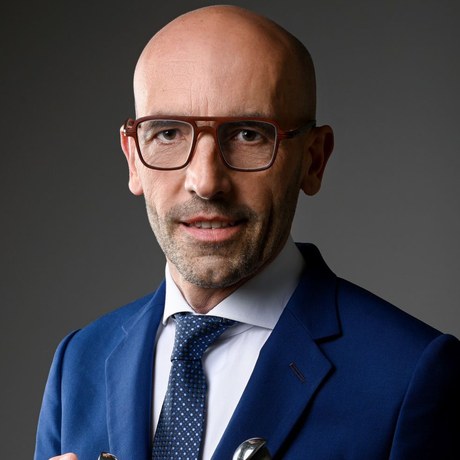
Dr Philippe Collin
Orthopaedic surgeon, shoulder specialist, Paris 16 & Neuilly-sur-Seine
Former President of the SECEC · ranked best shoulder surgeon in Paris (Le Point) · 20,000+ shoulders operated · 130+ scientific publications
A rotator cuff tear is one of the most common causes of shoulder pain and loss of strength after the age of 50. When should it be operated on, how is the repair performed and how long does recovery take? Here are the answers of Dr Philippe Collin, shoulder specialist in Paris.
The rotator cuff is a group of five tendons that stabilise the shoulder and make it possible to raise and rotate the arm. One or more of these tendons can tear, either suddenly (injury, fall) or progressively with wear. For a full overview, see our dedicated page on rotator cuff tear.
The suggestive signs are pain in the arm, often at night, a loss of strength when raising the arm and sometimes difficulty with everyday movements. Untreated chronic tendinitis can progress to a tear.
It all depends on the type of tear, on age, on activity level and on how disabling the symptoms are. A recent, traumatic tear in an active patient is generally a good indication for repair of the rotator cuff. Some older, minimally symptomatic tears can be treated without surgery, with rehabilitation and painkillers.
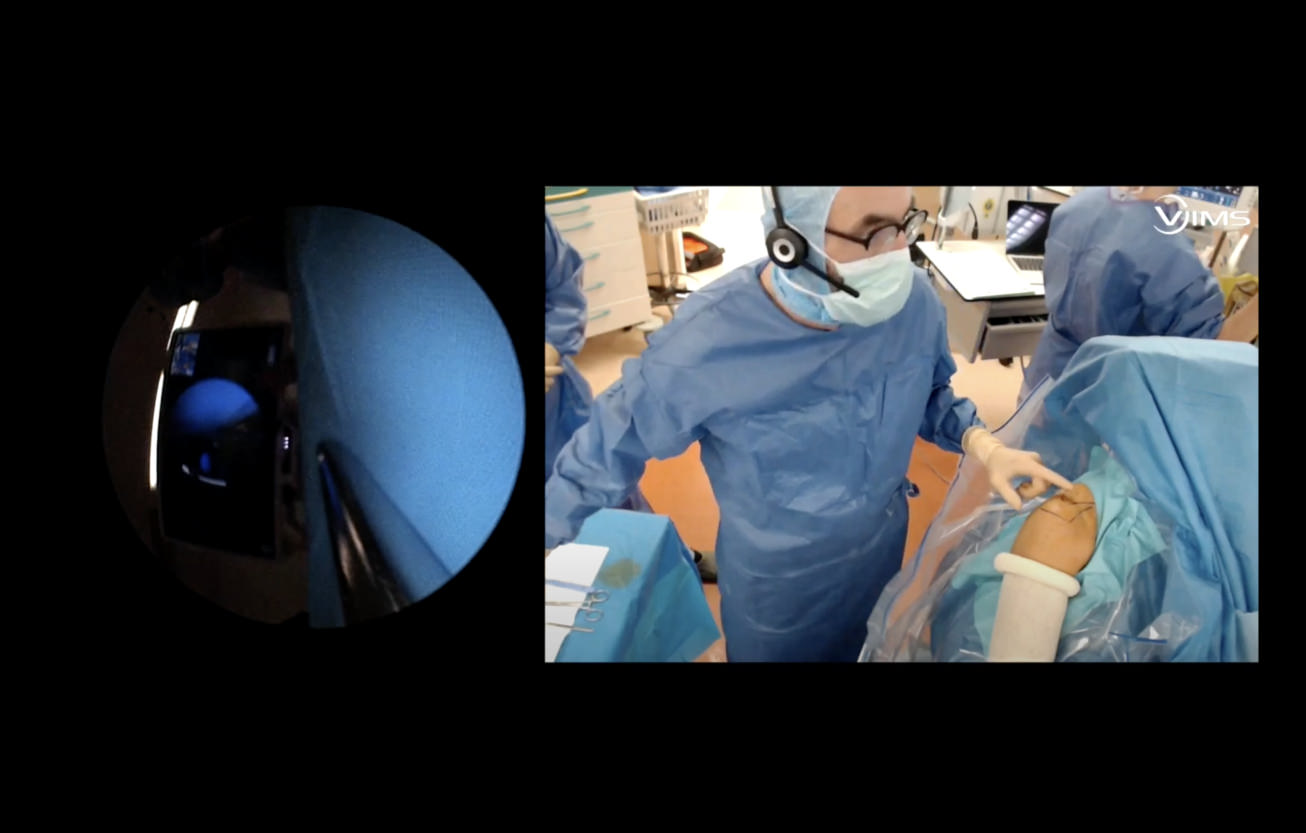
The repair is performed arthroscopically, using a small, minimally invasive camera: the tendon is reattached to the bone with small anchors. The operation is most often carried out as a day case, or with a short hospital stay if you prefer.
The arm is immobilised in a sling for around four to six weeks, then rehabilitation starts progressively. Full recovery of strength generally takes four to six months.
Can a rotator cuff tear heal without surgery?
A torn tendon does not reattach itself spontaneously, but some minimally symptomatic tears are well tolerated with medical treatment and rehabilitation. The decision is made on a case-by-case basis.
Is rotator cuff surgery painful?
Postoperative pain is well controlled with painkillers. The main inconvenience comes from the temporary immobilisation of the arm.
When can you go back to work?
It depends on your job: a few weeks for office work, longer for physical work involving the arm.
Is a stay in a rehabilitation centre necessary?
No. There is no study demonstrating the need for a stay in a rehabilitation centre.
Do you need a specialist physiotherapist?
Dr Collin has created, together with Solenn Gain (a physiotherapist specialising in shoulder recovery for more than 20 years), an online training course that allows any physiotherapist to be trained. In addition, all the phases of rehabilitation are covered in detailed videos on Dr Philippe Collin's YouTube channel.
Dr Philippe Collin consults in Paris 16 and Neuilly-sur-Seine, and welcomes international patients. Discover the international patient pathway.





.svg)
.svg)